

Introduction to Hurricane Lee 2024
Hurricane Lee is rapidly becoming one of the most closely watched storms of the 2024 Atlantic hurricane season. With its increasing intensity and unpredictable trajectory, it’s vital to stay updated on Hurricane Lee’s path and potential impact. Understanding the dynamics of this hurricane could be the key to safeguarding lives and property.
Overview of the 2024 Atlantic Hurricane Season
The 2024 hurricane season has already proven to be highly active, with numerous storms forming in quick succession. Meteorologists had anticipated an above-average season due to a combination of warmer-than-usual sea surface temperatures and other climatic factors. Hurricane Lee, forming in early September, has already demonstrated the potential to become a major threat, prompting widespread concern across the Atlantic basin.
Importance of Monitoring Hurricanes
Monitoring hurricanes like Lee is crucial for ensuring public safety. The ability to predict the path and strength of hurricanes has vastly improved in recent years, thanks to advances in meteorological technology. Early warnings provide communities with the necessary time to evacuate or take other protective measures, reducing the potential for loss of life and property.
Hurricane Lee Path: Understanding Its Trajectory
The Science Behind Hurricane Paths
Hurricanes are powerful weather systems driven by warm ocean waters and atmospheric conditions. The path of a hurricane like Lee is determined by several key factors:
- Ocean Currents: Warm ocean currents fuel hurricanes, while cooler currents can weaken them.
- Atmospheric Pressure Systems: High and low-pressure systems play a significant role in steering hurricanes. For instance, the Bermuda High, a large high-pressure system in the Atlantic, often influences the path of hurricanes heading toward North America.
- Earth’s Rotation (Coriolis Effect): The rotation of the Earth causes hurricanes to spin and affects their trajectory, generally steering them to the west in the Northern Hemisphere.
Factors Influencing Hurricane Lee’s Path
Hurricane Lee’s path is being shaped by a combination of factors:
- Jet Stream: The position and strength of the jet stream can either steer Lee toward the coast or push it out to sea.
- Interaction with Other Weather Systems: High-pressure ridges and troughs can alter Lee’s course dramatically, either pulling it inland or keeping it over the ocean.
- Sea Surface Temperatures: Warmer sea temperatures can intensify Hurricane Lee, potentially altering its path due to changes in its structure and strength.
Comparing Hurricane Lee’s Path with Past Hurricanes
Hurricane Lee’s trajectory has drawn comparisons with past storms that have followed similar paths:
- Hurricane Sandy (2012): Like Sandy, Lee has the potential to take an unexpected turn, possibly bringing it closer to the northeastern United States.
- Hurricane Dorian (2019): Lee’s development and path bear similarities to Dorian, which devastated the Bahamas before affecting the southeastern U.S.
Understanding these comparisons helps meteorologists make more accurate predictions about where Hurricane Lee might make landfall and how intense it could become.
Latest Updates on Hurricane Lee
Real-Time Tracking and Forecast Models
As of the latest updates, Hurricane Lee is being closely monitored by multiple agencies, including the National Hurricane Center (NHC) and the National Oceanic and Atmospheric Administration (NOAA). Real-time tracking tools, such as satellite imagery and aircraft reconnaissance, provide up-to-the-minute data on Lee’s position, wind speeds, and movement.
Hurricane Lee’s Path Updates
The latest forecast models show Hurricane Lee taking a potentially dangerous path:
- Eastern Seaboard: The eastern coast of the United States, particularly the Carolinas and Virginia, is under close watch as Lee approaches.
- Potential Shifts: While current models suggest a northward turn, residents from Florida to New England should remain vigilant, as small shifts in the storm’s path could significantly alter its impact.
Impact Predictions for the East Coast
Hurricane Lee is expected to bring a range of severe weather conditions:
- Coastal Flooding: Areas along the coast could see significant storm surges, especially if Lee coincides with high tide.
- Heavy Rainfall: The hurricane is likely to produce heavy rains, leading to flash flooding in both coastal and inland areas.
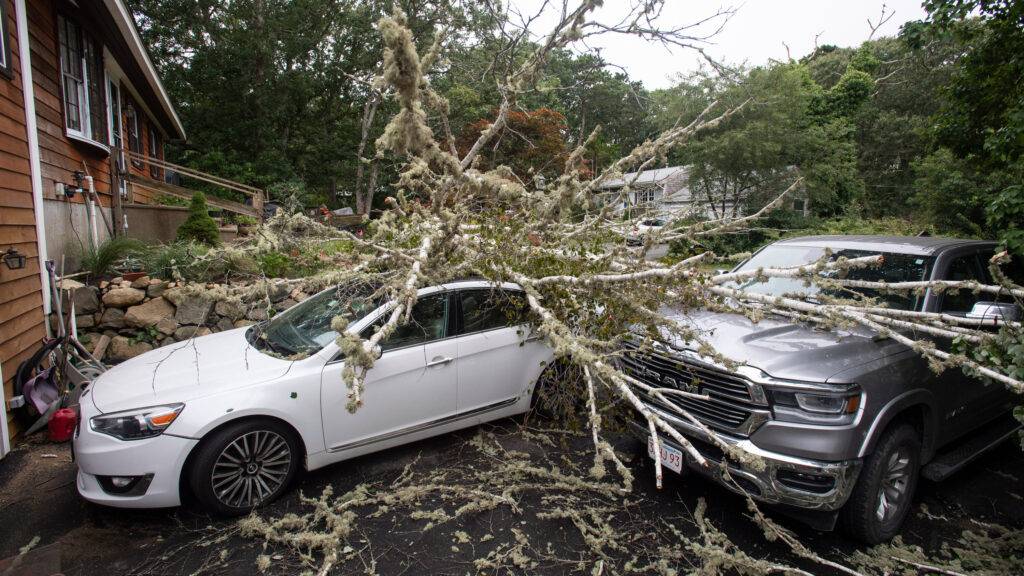
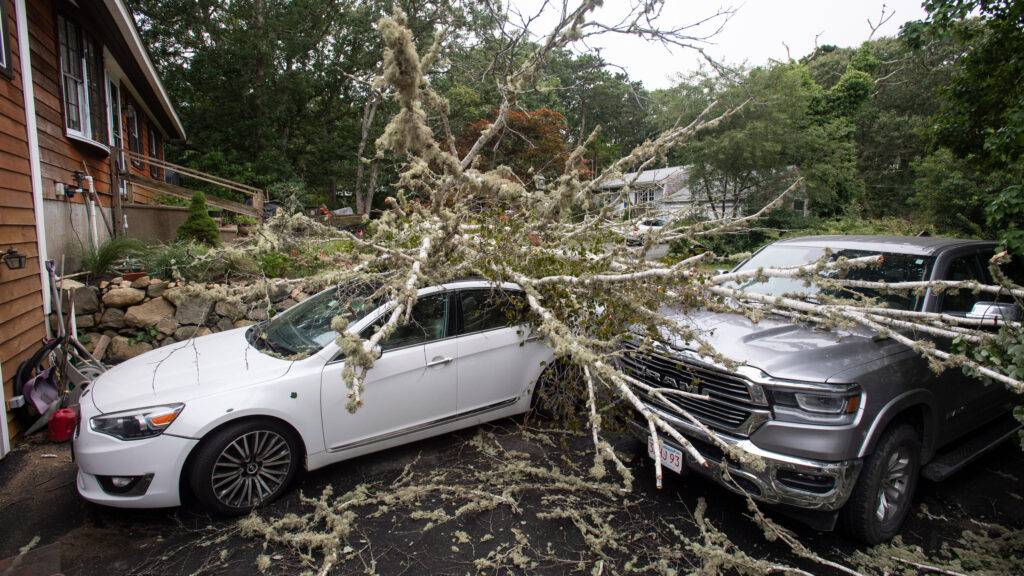
- High Winds: Strong winds associated with Lee could cause widespread power outages, downed trees, and structural damage.
Potential Landfall Areas
While it is still too early to pinpoint the exact location of Hurricane Lee’s landfall, several regions are at increased risk:
- Mid-Atlantic States: Including Maryland, Delaware, and New Jersey, where preparations are already underway.
- New England: Particularly vulnerable if Lee continues on a northerly path, with possible impacts on states like Connecticut, Rhode Island, and Massachusetts.
The Role of Meteorologists and Agencies
Meteorologists play a critical role in predicting Hurricane Lee’s path and impact. Using advanced models and historical data, they provide essential guidance to government agencies and the public. The NHC and NOAA are leading the efforts, issuing regular updates and warnings to ensure that communities are prepared for any eventuality.
Impact of Hurricane Lee: What to Expect
Coastal Areas at Risk
Coastal regions are often the hardest hit by hurricanes, and Hurricane Lee is no exception. The potential impacts on coastal areas include:
- Storm Surge: One of the most dangerous aspects of a hurricane, storm surges can lead to catastrophic flooding, especially in low-lying areas.
- Erosion: Powerful waves and currents can cause severe erosion, threatening properties and infrastructure along the coast.
- Marine Impacts: Lee could disrupt marine traffic and cause significant damage to ports and harbors.
Inland Impacts: Flooding, Tornadoes, and More
Hurricanes like Lee don’t just affect coastal areas; they can also bring severe weather far inland:
- Flash Flooding: Heavy rainfall can overwhelm rivers and drainage systems, leading to flash flooding.
- Tornadoes: Hurricanes often spawn tornadoes, which can cause localized destruction even far from the coast.
- Wind Damage: Strong winds can cause widespread damage to buildings, power lines, and trees, leading to prolonged power outages and hazards.
Economic Impact of Hurricane Lee
The economic impact of Hurricane Lee could be significant, affecting multiple sectors:
- Property Damage: Homes, businesses, and infrastructure could suffer billions of dollars in damage.
- Business Disruptions: Prolonged power outages and flooding could disrupt businesses, particularly in affected coastal cities.
- Insurance Costs: The aftermath of Hurricane Lee could lead to increased insurance claims and premiums in the affected areas.
Preparedness and Response to Hurricane Lee
Emergency Preparedness Plans
Preparing for Hurricane Lee involves several key steps:
- Evacuation Plans: Residents in vulnerable areas should have evacuation plans in place, including knowing the nearest shelters and safe routes.
- Emergency Kits: Households should prepare emergency kits with essentials like water, food, medications, and important documents.
- Securing Property: Homeowners should secure outdoor items, reinforce windows and doors, and ensure that their properties are as storm-resistant as possible.
Government and Community Response
Local, state, and federal governments play a crucial role in responding to hurricanes:
- Evacuation Orders: Authorities may issue mandatory evacuation orders for high-risk areas, and it is critical for residents to follow these directives.
- Disaster Relief Efforts: In the aftermath of the storm, government agencies, along with non-profit organizations, will provide disaster relief, including food, shelter, and medical assistance.
Public Communication and Awareness
Effective communication is vital in managing the impact of Hurricane Lee:
- Alert Systems: Governments and weather agencies use various alert systems, including mobile notifications, radio, and television broadcasts, to keep the public informed.
- Community Engagement: Local communities often play a key role in spreading information and helping vulnerable populations prepare and respond.
The Role of Social Media in Hurricane Preparedness
Social media has become an essential tool for both authorities and the public during hurricane events:
- Real-Time Updates: Platforms like Twitter and Facebook provide real-time updates on the hurricane’s path, government advisories, and emergency information.
- Community Support: Social media allows for community support, where neighbors can share resources, offer assistance, and coordinate efforts to prepare for and recover from the storm.
The Aftermath of Hurricane Lee
Immediate Post-Storm Actions
After Hurricane Lee passes, the immediate focus will be on safety and recovery:
- Search and Rescue: Emergency services will prioritize search and rescue operations in the hardest-hit areas.
- Assessing Damage: Authorities will begin assessing the damage to infrastructure, homes, and businesses to coordinate relief efforts.
Long-Term Recovery and Rebuilding
The long-term recovery process from a major hurricane like Lee involves several stages:
- Rebuilding Infrastructure: Rebuilding roads, bridges, and utilities will be a priority to restore normalcy.
- Financial Assistance: Government programs, along with insurance payouts, will help individuals and businesses recover from financial losses.
- Psychological Support: The emotional toll of a hurricane can be significant, and mental health services will be crucial for those affected.
Lessons Learned from Hurricane Lee
Every major hurricane provides lessons that can help improve preparedness and response in the future:
- Strengthening Building Codes: Reviewing and updating building codes to ensure structures can withstand hurricane-force winds and flooding.
- Improving Forecasting Models: Continued investment in technology and research to improve the accuracy of hurricane predictions.
- Community Resilience: Fostering stronger community networks to enhance resilience in the face of future storms.
Hurricane Lee Updates: Real-Time Information Sources
Staying informed with accurate and up-to-date information is critical during a hurricane:
- National Hurricane Center (NHC): The NHC provides official forecasts, warnings, and updates on hurricanes, including detailed reports on Hurricane Lee’s path and intensity.
- Local Weather Services: Local meteorological services offer specific updates relevant to your area, including potential impacts and safety recommendations.
- Mobile Apps: Weather apps like NOAA Weather Radar and MyRadar provide real-time tracking and alerts, helping you stay informed on the go.
Hurricane Lee Path and Impact on Specific Regions
Southeastern U.S.
The Southeastern U.S. is often the first to feel the effects of hurricanes:
- Potential Impact Areas: States like Florida, Georgia, and the Carolinas could experience severe weather conditions, including heavy rains, high winds, and storm surges.
- Preparations Underway: Authorities in these regions are already taking steps to prepare, including pre-staging emergency supplies and issuing advisories.
Mid-Atlantic States
As Hurricane Lee moves northward, the Mid-Atlantic states could be in its path:
- Flooding Risks: The Mid-Atlantic region is particularly vulnerable to flooding due to its numerous rivers and low-lying areas.
- Wind Damage: High winds could lead to widespread power outages and damage to infrastructure.
Northeastern U.S.
The Northeastern U.S. could also be at risk if Hurricane Lee continues on its current trajectory:
- Historical Comparisons: The Northeast has experienced devastating hurricanes in the past, such as Hurricane Sandy, which caused widespread destruction in 2012.
- Potential Impact: Heavy rainfall, strong winds, and coastal flooding could all be major concerns if Lee takes a direct path toward this region.
Caribbean and Gulf of Mexico
While Hurricane Lee is currently tracking northward, any changes in its path could bring it closer to the Caribbean or Gulf of Mexico:
- Caribbean Islands: The Caribbean could experience heavy rains, strong winds, and high surf, particularly if the storm shifts southward.
- Gulf of Mexico: If Hurricane Lee moves into the Gulf, it could impact states along the Gulf Coast, including Texas, Louisiana, and Mississippi.
Hurricane and Climate Change
The Link Between Climate Change and Hurricanes
Climate change is having a significant impact on hurricanes:
- Increased Intensity: Warmer ocean temperatures, driven by climate change, are leading to more intense hurricanes with higher wind speeds and more rainfall.
- Rising Sea Levels: Rising sea levels contribute to higher storm surges, increasing the risk of coastal flooding during hurricanes.
- Changing Patterns: Climate change is also affecting the frequency and paths of hurricanes, making them harder to predict and prepare for.

How Climate Change Might Influence Hurricane
Hurricane Lee’s development and potential impact are being closely studied in the context of climate change:
- Stronger Storms: Lee, like other recent hurricanes, could become stronger and more destructive due to the warmer Atlantic waters.
- Unpredictable Paths: Climate change may cause Lee to take an unusual path, making it a challenge for meteorologists to predict its exact trajectory and impact.
FAQs
What is the current path of Hurricane Lee?
Hurricane Lee is currently tracking northwest across the Atlantic. The latest forecasts suggest it may impact the eastern U.S. coastline, but its exact path is still uncertain.
How can I stay updated on Hurricane Lee?
Stay updated on Hurricane Lee by following the National Hurricane Center (NHC) for official forecasts and warnings, using weather apps for real-time tracking, and paying attention to local news for region-specific information.
What areas are most at risk from Hurricane Lee?
The areas most at risk include the Southeastern U.S., the Mid-Atlantic states, and possibly the Northeastern U.S. Coastal regions are particularly vulnerable to storm surges and flooding.
How does Hurricane Lee compare to past hurricanes?
Hurricane Lee shares similarities with past storms like Hurricane Sandy and Hurricane Dorian in terms of its path and potential impact. However, each hurricane is unique, and predictions can change as the storm develops.
What preparations should I make for Hurricane Lee?
Prepare for Hurricane Lee by securing your property, having an emergency kit ready, and knowing your evacuation route. Follow local authorities’ guidance and stay informed through reliable sources.
Can climate change affect the intensity of Hurricane Lee?
Yes, climate change can affect the intensity of hurricanes like Lee by increasing sea surface temperatures, which can lead to stronger storms. Rising sea levels also contribute to higher storm surges during hurricanes.
Conclusion
Hurricane Lee is a significant storm that requires close monitoring and thorough preparation. As the 2024 hurricane season continues, staying informed about Lee’s path and impact will be crucial for communities across the eastern United States. By understanding the science behind hurricane tracking, preparing for potential impacts, and learning from past storms, we can better protect ourselves and our homes from the devastating effects of Hurricane.
YOU MAY ALSO VISIT: https://gotrendyusa.com/the-ultimate-guide-to-californias-best-restaurants/